
Novel Biomarkers in Pediatric Autoimmune Peripheral Neuropathies
Pediatric autoimmune neuropathies can initially present with nonspecific symptoms and progress rapidly, leading to significant loss of strength and neurological sequelae. The lack of reliable biomarkers makes it difficult to predict their clinical course and identify early those patients who could benefit from more intensive treatment.
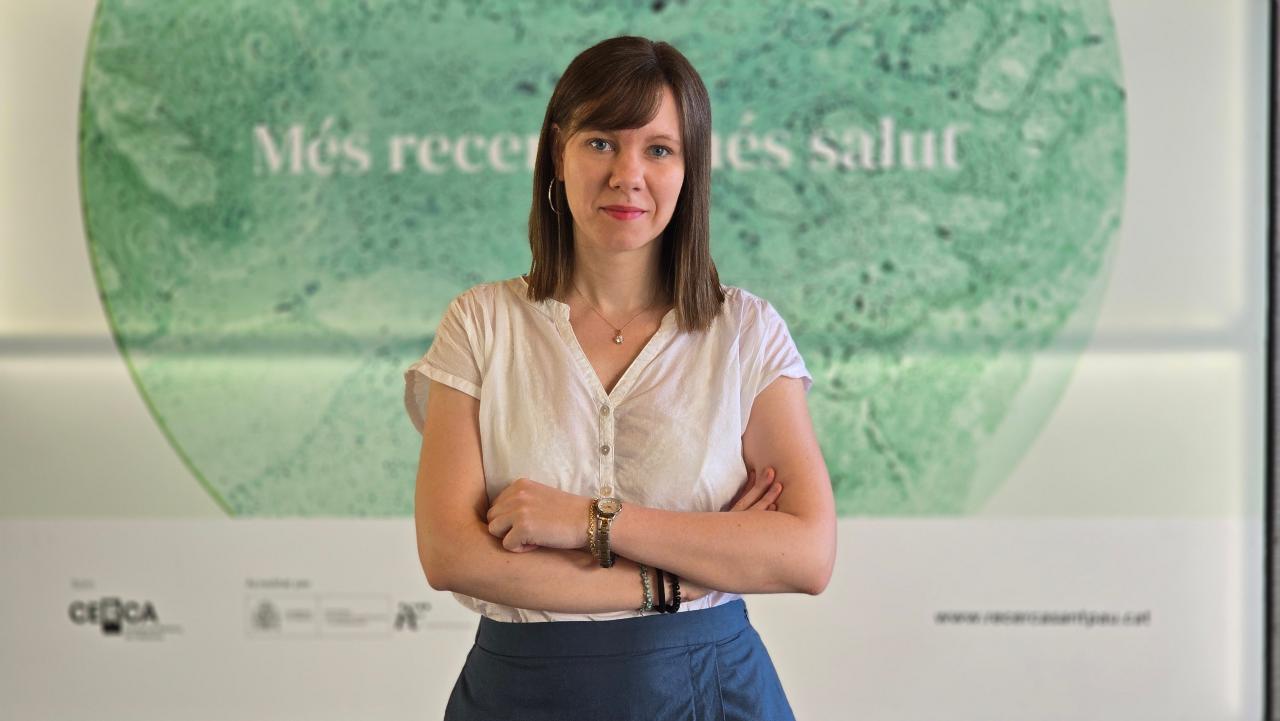
This challenge is particularly relevant in pediatric care, where many patients experience delays in diagnosis, and stratification at disease onset is complex, limiting the possibility of implementing early, personalized therapeutic strategies. In this context, Dr. Gemma Olivé Cirera, a researcher with the Multiple Sclerosis and Autoimmune Diseases of the Central Nervous System Research Group at the Sant Pau Research Institute (IR Sant Pau), will lead a research project that will study biomarkers in pediatric patients with autoimmune neuropathies to improve diagnosis, predict disease progression, and personalize treatment.
Autoimmune peripheral neuropathies are rare diseases in which the immune system attacks structures in the peripheral nerves. They include acute forms, such as Guillain-Barré syndrome, and chronic forms, such as chronic inflammatory demyelinating polyradiculoneuropathy. Although immunomodulatory treatments are available, managing these conditions remains complex because disease progression and therapeutic response can vary considerably among patients.
“Currently, diagnosis and follow-up depend largely on the clinical course of the disease. Having objective biomarkers would allow us to identify high-risk patients earlier, monitor the disease more effectively, and make better-informed therapeutic decisions from the outset,” explains Dr. Gemma Olivé.
The research project, entitled “Novel Prognostic Biomarkers for Pediatric Autoimmune Peripheral Neuropathy,” has received an Invest-AEP grant from the Spanish Association of Pediatrics. These grants aim to promote clinical and basic pediatric research projects that generate new knowledge and advance the prevention, diagnosis, and treatment of diseases affecting children and adolescents.
Led by Dr. Gemma Olivé Cirera, the project will be conducted within IR Sant Pau’s research program on autoimmune peripheral neuropathies, coordinated by Dr. Luis Querol, leader of the SPAiN project (Spanish Partnership for Autoimmune Neuropathies). The research team also includes Dr. Lorena Martín Aguilar, an expert in biomarkers of neuronal damage. Dr. Thaís Armangué, Dr. Carlos Ortez, and Dr. Daniel Natera will participate on behalf of Sant Joan de Déu Hospital. Dr. Armangué is also the principal investigator of the Pediatric Neuroimmunology Program at Hospital Clínic de Barcelona-IDIBAPS. The project therefore brings together complementary expertise in neuroimmunology, pediatric neurology, neuromuscular diseases, and specific biomarkers.
Biomarkers to Improve Diagnosis and Prognosis
The project will jointly analyze clinical information, electrophysiological studies, and various biomarkers found in blood and cerebrospinal fluid samples. These include antiganglioside antibodies and antibodies targeting proteins in the nodal and paranodal regions of the nerves, such as contactin-1, Caspr1, and several forms of neurofascin.
The identification of these autoantibodies has made it possible to define new subtypes of autoimmune neuropathies and gain a more profound understanding of the mechanisms that cause the disease. However, studies conducted specifically in children remain scarce, and the techniques used have yet to be standardized across laboratories.
In addition to analyzing known antibodies, the team will examine the reactivity patterns of samples in nerve tissue. This approach could help discover new antibodies associated with pediatric autoimmune neuropathies and define more precisely the mechanisms involved in each case.
The research will also measure serum neurofilament light chain (sNfL) and GFAP protein levels, two markers that can provide objective information about the presence and progression of neurological damage. Their analysis could help predict prognosis, monitor treatment response, and detect disease progression that is not yet apparent using standard clinical scales.
Toward More Personalized Care
In pediatric patients, the diagnosis and treatment of these neuropathies are still largely based on data obtained from adults. Generating evidence specifically in children will make it possible to better adapt diagnostic criteria and therapeutic decisions to the characteristics of these patients.
Early detection of biomarkers associated with a more aggressive disease course could facilitate the early initiation of immunomodulatory treatments in children at greater risk. At the same time, objective indicators of disease activity would help adjust treatment intensity and duration according to each patient’s clinical course. Standardizing the techniques used will also make it easier to compare results across centers and reduce diagnostic differences arising from variability among laboratories.
“Moving toward a more personalized approach could help us reduce neurological damage and long-term disability. The ultimate goal is to ensure that every child receives the most appropriate treatment at the precise time they need it,” concludes Dr. Gemma Olivé.
