
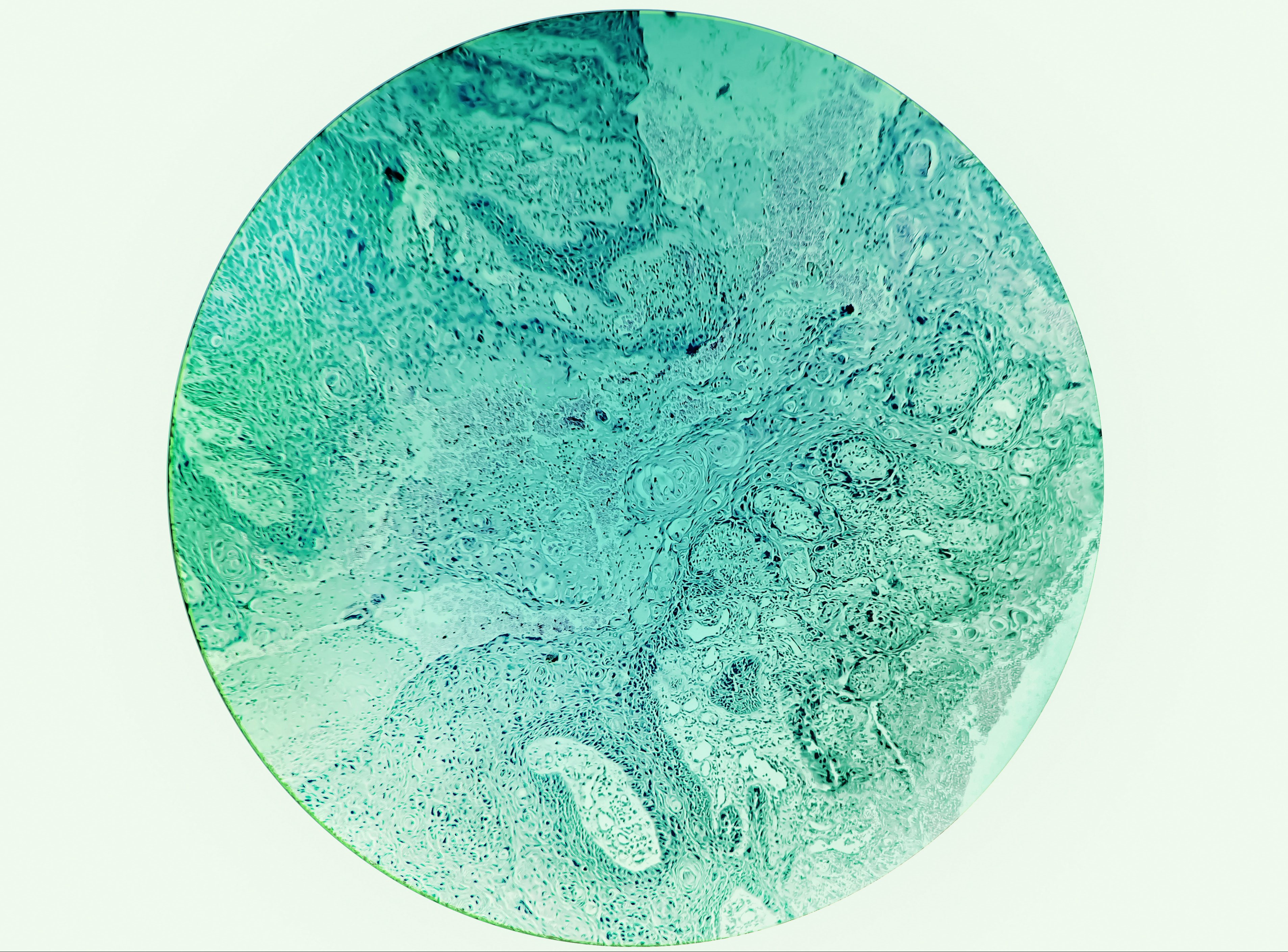
More research, better health
The Sant Pau Research Institute
IR Sant Pau, linked to the Hospital, promotes excellence in biomedical research and innovation aimed at advancing the prevention, diagnosis and treatment of diseases, with the mission of improving people's health and quality of life and the vision of becoming an international benchmark in translational biomedical research.
The Institute conducts translational research that connects basic science with clinical practice in order to accelerate the arrival of scientific advances to patients. Its scientific activity is structured around five major research areas: cardiovascular diseases; onco-haematological diseases; neurological diseases, neuroscience and mental health; epidemiology, public health and primary care; and translational medicine.
Latest News
.jpg)
.jpg)
A Spatial Map of the Lung Reveals the Cellular Mechanisms Driving Damage and Fibrosis in Severe COVID-19
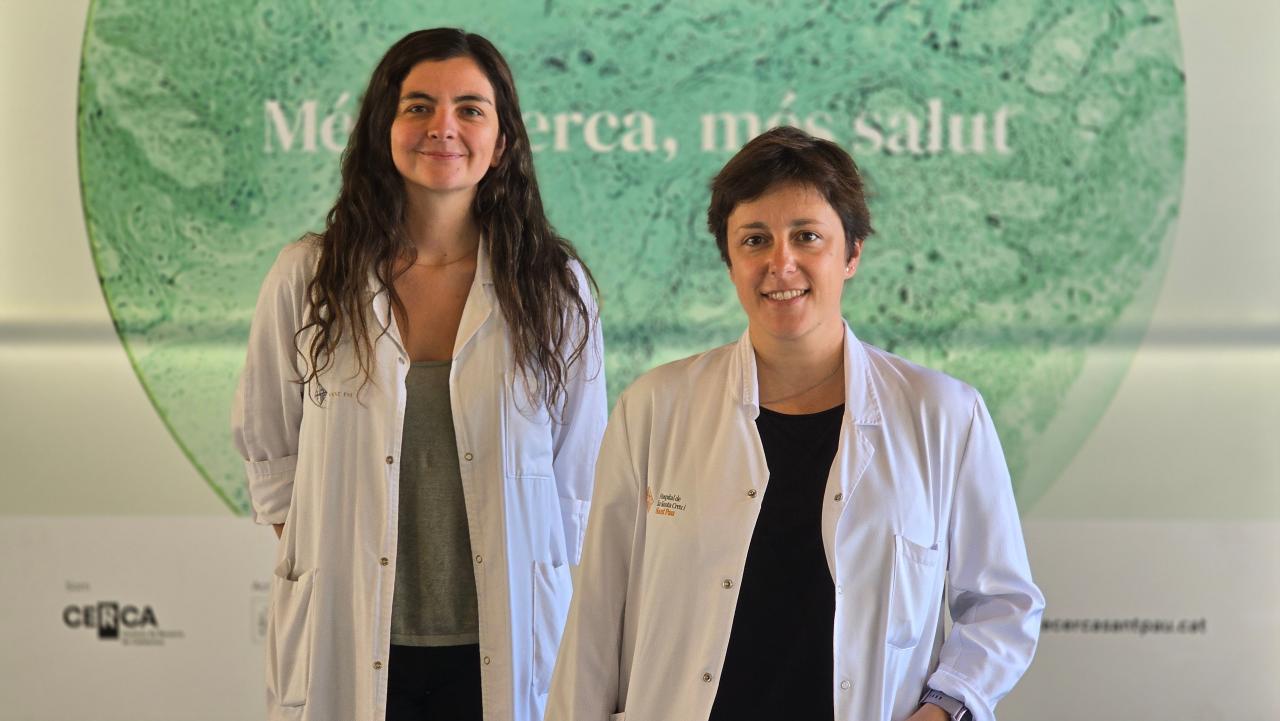
Epilepsy Increases After the Onset of Alzheimer’s Disease in Adults With Down Syndrome
.png)
Twelve Doctoral Students From China Are Currently Conducting Their Research at IR Sant Pau
.jpeg)
A New Donation in Memory of Marc Riera Supports Research on Quality of Life for Patients With Sarcoma
.jpg)
Joan Oró Grant Supports Research to Predict the Progression of Abdominal Aortic Aneurysms
.jpg)
IR Sant Pau’s Nursing Care Research Group Achieves Emerging Research Group Status
A Year of Research at IR Sant Pau in Figures and Results
The year 2025 brought record figures for research activity at IR Sant Pau. The Institute managed 379 active competitively funded projects, the highest number in its history, and clinical trial activity exceeded €10 million for the first time, with 590 active trials and nearly 4,500 participating patients.
These results also include 1,239 scientific publications, a 17% increase over the previous year, along with improvements in the quality, international collaboration, and open access of its scientific output.
The 2025 Scientific Report presents these figures and the key advances, projects, and milestones that marked a year of growth in research at Sant Pau.
Agenda and events
Research Areas
Cardiovascular Diseases
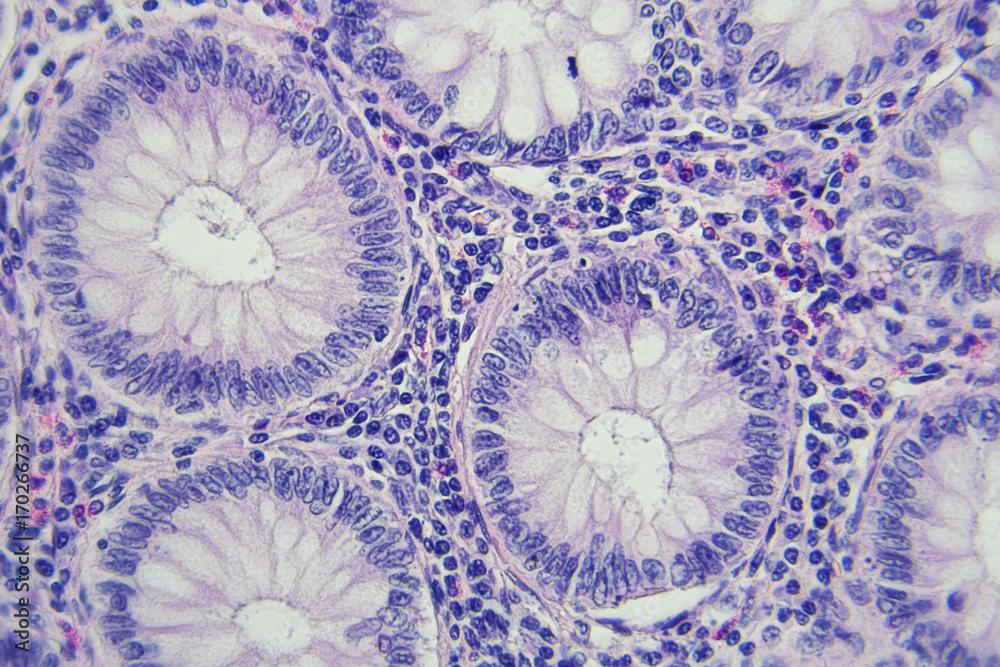
Onco-hematological Diseases
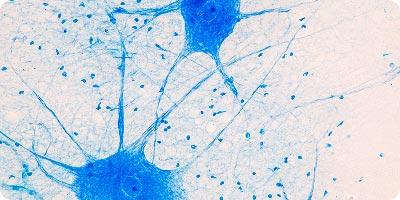
Neurological Diseases, Neuroscience and Mental Health
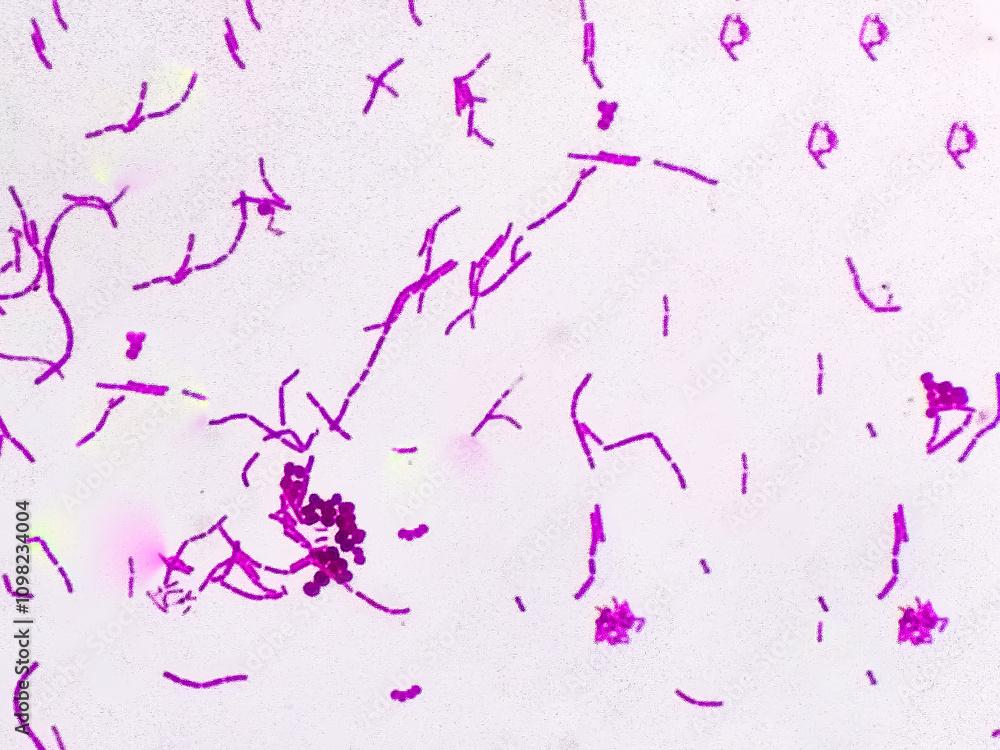
Epidemiology, Public Health and Primary Care
Translational Medicine
Associated Groups
Transversal Programmes


Associated Groups