
Using Virtual Reality to Promote More Respectful Maternity Care
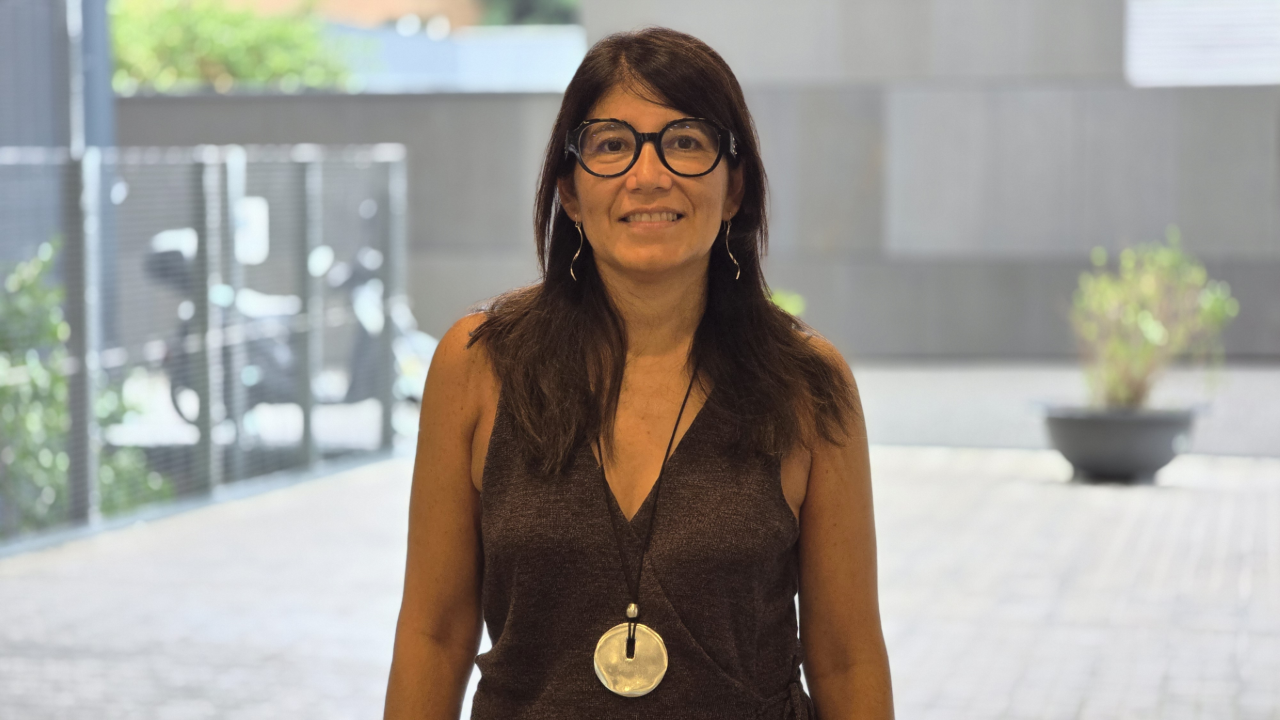
The Sant Pau Research Institute (IR Sant Pau) has received funding through the INDOVIG 2025 call to develop a project that will use virtual reality as a training and awareness-raising tool for professionals involved in childbirth care. The initiative aims to support the recognition of non-humanized practices and promote obstetric care that is more respectful of women’s rights, autonomy, and needs.
The project, called RV-PART, is led by Dr. María del Carmen Medina Mallén, a researcher with the Perinatal and Women’s Medicine group at IR Sant Pau, and proposes an immersive experience that allows obstetricians, midwives, and anesthesiology professionals to experience different care situations firsthand and from the patient’s perspective.
“Virtual reality makes it possible to reverse the usual standpoint. Instead of placing the professional in their own clinical role, it puts them in the woman’s perspective and allows them to experience how certain actions, forms of communication, or decisions during childbirth may be perceived,” explains Dr. Medina.
Experiencing Care From the Patient’s Perspective
The team will develop three immersive scenarios created specifically for the project, recreating situations related to the lack of informed consent, violations of privacy, the use of disparaging language, the absence of support, or pressure to accept certain procedures. Factors such as age, origin, socioeconomic status, and cultural diversity will also be incorporated, as these can shape women’s experiences during healthcare.
The aim is not to train clinical procedures but rather to address dimensions that are more difficult to work on through conventional training, such as empathy, communication, implicit bias, power dynamics, and the emotional impact that certain care practices may have.
“The project takes a training-based, non-punitive approach. The goal is not to single out individual behaviors but to create a safe space that makes it possible to identify normalized practices, understand how they are perceived by women, and reflect on what we can change to provide more respectful care,” the researcher says.
After each virtual experience, a structured debriefing session will be held, led by professionals with experience in gender perspective and obstetric violence. These sessions will make it possible to share the emotions generated, analyze the situations portrayed, and collectively develop alternatives that can be applied to clinical practice.
Evaluating the Impact of Training
The project will follow a quasi-experimental design, with evaluation before and after the intervention. Participants will complete a specific questionnaire to assess possible changes in their ability to recognize practices that may constitute obstetric violence, their awareness of these situations, and their attitudes toward the concept itself.
The combination of the immersive experience, collective reflection, and evaluation will make it possible to determine whether virtual reality can help generate more profound learning than theoretical content alone. The project will also analyze the extent to which the intervention promotes professional self-reflection and reduces resistance that may make it more difficult to address this issue.
“We want to assess whether an experiential approach can facilitate change that goes beyond theoretical knowledge. Understanding a situation is important, but experiencing how it may feel from the other side can help professionals review attitudes and ways of acting that are not always easy to identify in everyday clinical practice,” says Dr. Medina.
A New Step in a Line of Work Initiated at Sant Pau
RV-PART builds on the experience gained from a previous project funded through the INDOVIG call in 2020. That initiative developed a training program on obstetric violence and gender perspective aimed at professionals in the obstetric field, involving 70 professionals across two editions.
The evaluation showed an improvement in participants’ ability to recognize potentially problematic situations and understand the structural factors associated with obstetric violence. However, it also identified emotional resistance and difficulties in translating acquired knowledge into sustained changes in practice, particularly in settings with high clinical pressure.
The new project aims to address these limitations through a more experiential methodology. Immersion from the patient’s perspective is intended to move learning beyond an exclusively cognitive level and into an emotional and relational dimension, strengthening the transformative potential of the training.
A Methodology Transferable to Other Centers
The project will involve the Working Group for the Study and Prevention of Obstetric Violence of the Catalan Society of Obstetrics and Gynecology, the Clinical Commission on Sex and Gender in Health at Hospital de Sant Pau, the Hospital de Sant Pau Learning Campus, and VTOOLS, an organization specializing in the development of educational experiences using virtual reality.
These collaborations will make it possible to combine clinical and scientific knowledge of obstetric care with a gender perspective, pedagogical expertise, and the technological capabilities needed to design the immersive scenarios.
The materials generated—the virtual reality scenarios, the guides for the debriefing sessions, and the evaluation tools—will be designed so that they can be reused and later incorporated into continuing education, specialized healthcare training, and university teaching programs. The methodology may also be adapted and transferred to other hospitals and training environments.
“Our intention is for the project not to be limited to a one-time intervention. If we find that virtual reality improves professionals’ awareness and capacity for reflection, we will be able to incorporate it into training on an ongoing basis and help other centers adapt the experience to their needs,” concludes Dr. Medina.
